Schloßbergmuseum
4. May 2025 – 1. Feb 2026

The new city

The new city
Chemnitz as Chemnitz as Karl-Marx-Stadt

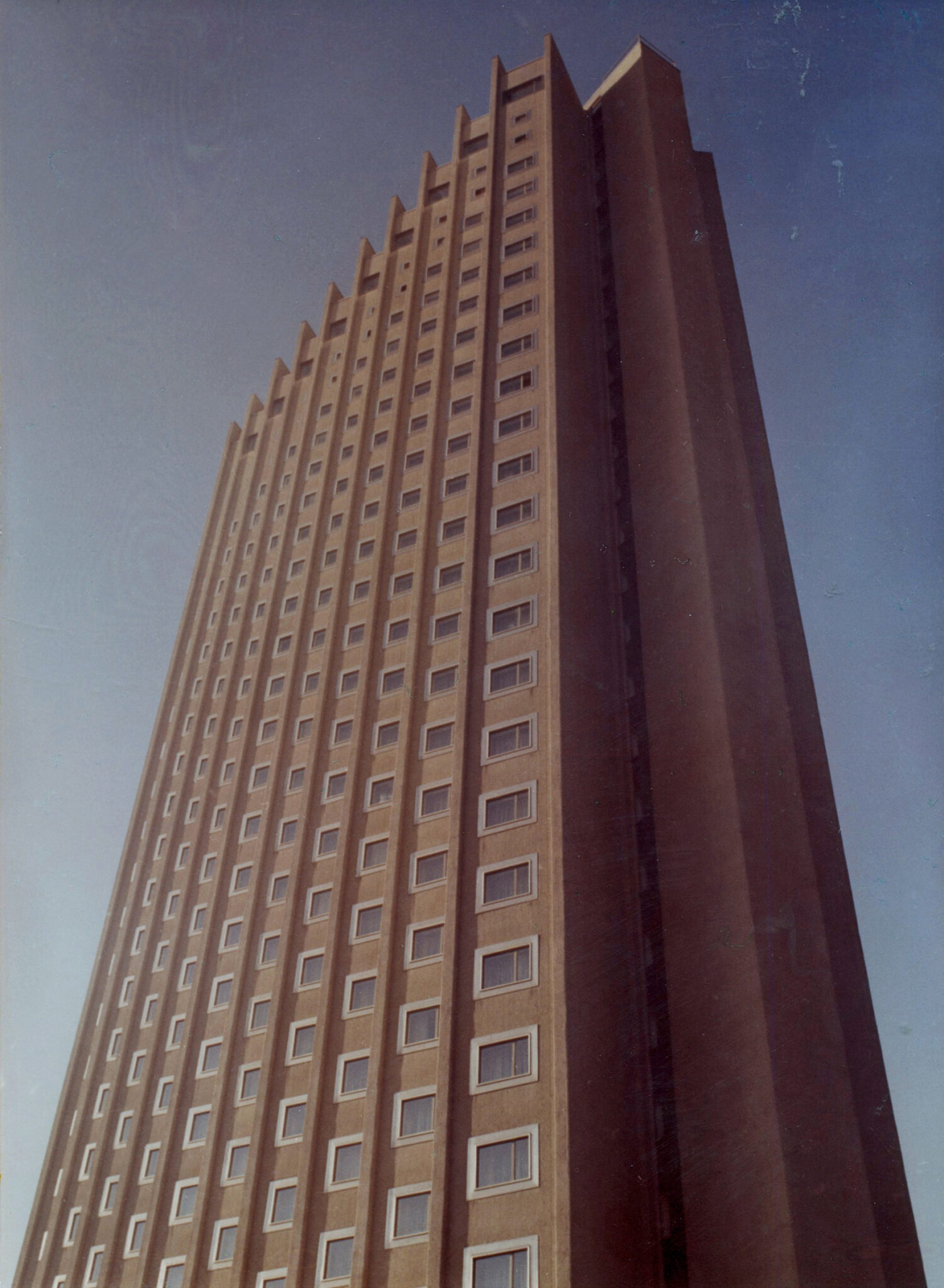
The exhibition at the Schloßberg Museum traces the intense and momentous era of »Karl-Marx-Stadt«, which lasted only a few decades, with a particular focus on developments in urban planning and architecture.

The end of the Second World War heralded a new beginning for the devastated industrial city of Chemnitz in many ways: the GDR was founded in 1949, the federal states were dissolved in 1952 and twelve districts were created as a new administrative structure. Chemnitz was not only given the status of district capital but was also renamed by the ruling SED party in 1953. With the name of the philosopher and communist mastermind Karl Marx, the city was – intentionally or not – assigned a role as a »model socialist city«.

The specific nature of the political circumstances played a key role in this, but local events were also part of international »post-war modernism«. Throughout the system, the destruction of the war was seen as an opportunity for a fresh start in terms of architecture and urban planning, as a chance to realise ideas and concepts of reform that had been around for some time.

The international openness to new ideas in the post-war decades found expression in a special attitude to life, in enthusiasm for technological visions, in design and in fashion. The exhibition brings back to life the world of large panel system buildings, elevated highways, cosmonauts and plastics, without ignoring the contradictions and realities of »real existing socialism«.

In preparation for the 2025 exhibition, a conference on the topic was held in November 2024. The conference theme, developed in cooperation with TU Chemnitz, focused on the reconstruction of Chemnitz after 1945—both in an international context and with regard to the socialist “brother countries” and those behind the “Iron Curtain.” The discussions explored the differences and similarities in post-war architecture. Key reference points included modern architecture from the decades prior to the war.
Renowned experts discussed aspects of post-war building in the Federal Republic of Germany, France, Italy, the USA, various Eastern European countries, and in Chemnitz / Karl-Marx-Stadt.

Gallery

Günther Mickwausch, Aufbauplakat (Entwurf), 1946, Kunstsammlungen Chemnitz-Schloßbergmuseum
Günther Mickwausch
Aufbauplakat (Entwurf), 1946
Vitrine mit Zeitungsbericht zur Umbenennung von Chemnitz in Karl-Marx-Stadt, 1953, Kunstsammlungen Chemnitz-Schloßbergmuseum
Vitrine mit Zeitungsbericht zur Umbenennung von Chemnitz in Karl-Marx-Stadt, 1953
Pavillon der Deutsch-Sowjetischen Freundschaft in Chemnitz/ Karl-Marx-Stadt, 1952, Modell, Kunstsammlungen Chemnitz-Schloßbergmuseum, Foto: Kunstsammlungen Chemnitz/ Peer Ehmke
Pavillon der Deutsch-Sowjetischen Freundschaft in Chemnitz/ Karl-Marx-Stadt, 1952
Ausstellungsansicht, Die Stadt von Morgen: Internationale Bauausstellung IBA 1957 in Westberlin, Foto: Kunstsammlungen Chemnitz/ Peer Ehmke
Ausstellungsansicht
Die Stadt von Morgen: Internationale Bauausstellung IBA 1957 in Westberlin
Bau von Wohnblocks am ehemaligen Holz- und Rossmarkt, 1962, Foto: Gottfried Beygang, Kunstsammlungen Chemnitz-Schloßbergmuseum
Bau von Wohnblocks am ehemaligen Holz- und Rossmarkt, 1962
Ausstellungsansicht, Aufbau des Stadtzentrums von Karl-Marx-Stadt 1961-1974 (Phase I) , mit Leuchtschrift der Tanzbar Kosmos (eröffnet 1964), Foto: Kunstsammlungen Chemnitz/ Peer Ehmke
Ausstellungsansicht
Aufbau des Stadtzentrums von Karl-Marx-Stadt 1961-1974 (Phase I) , mit Leuchtschrift der Tanzbar Kosmos (eröffnet 1964)
Plakat zum 20. Jahrestag der DDR (unsigniert), 1969, Kunstsammlungen Chemnitz-Schloßbergmuseum
Plakat zum 20. Jahrestag der DDR (unsigniert), 1969
Das zukünftige Zentrum von Karl-Marx-Stadt im Modell, Planungsstand Ende 1960er Jahre, Foto: WBK/ Humann, Kunstsammlungen Chemnitz-Schloßbergmuseum
Das zukünftige Zentrum von Karl-Marx-Stadt im Modell, Planungsstand Ende 1960er Jahre
Wolf-Dieter Röber, Stadthalle Karl-Marx-Stadt, 1975, Betonelemente an der Fassade Großer Saal von Hubert Schiefelbein, Kunstsammlungen Chemnitz-Schloßbergmuseum
Wolf-Dieter Röber
Stadthalle Karl-Marx-Stadt, 1975
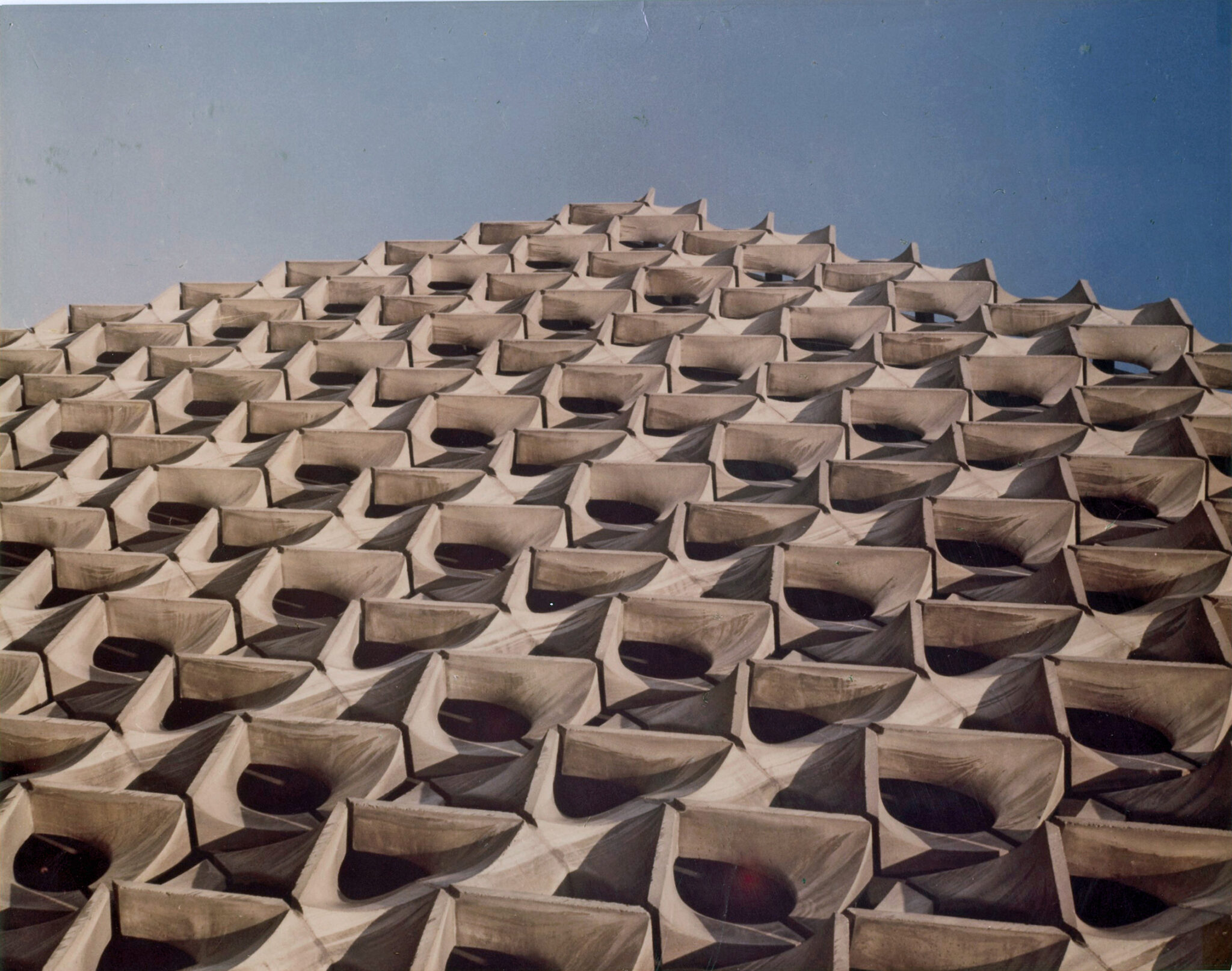
Ausstellungsansicht, Brutalismus: Das Zeitalter der Betonbauten , Fotoschau im historischen Kreuzgang, Foto: Kunstsammlungen Chemnitz/ Peer Ehmke
Ausstellungsansicht
Brutalismus: Das Zeitalter der Betonbauten
Fritz Heckert-Gebiet/ Irkutsker Straße, 2. Hlft. 1970er Jahre , Kunstsammlungen Chemnitz-Schloßbergmuseum    , Foto: Gottfried Beygang
Fritz Heckert-Gebiet/ Irkutsker Straße, 2. Hlft. 1970er Jahre
Ausstellungsansicht, Satellitenstadt Fritz Heckert-Gebiet, Foto: Kunstsammlungen Chemnitz/ Peer Ehmke
Ausstellungsansicht
Satellitenstadt Fritz Heckert-Gebiet
Michael Backhaus, Industriezentrum Karl-Marx-Stadt: Porträts von Werktätigen, 1970er und 80er Jahre, Archiv Backhaus
Michael Backhaus
Industriezentrum Karl-Marx-Stadt: Porträts von Werktätigen, 1970er und 80er Jahre
Rolltreppe im neueröffneten Warenhaus „HO-Zentrum“ (ehemals Tietz), 1963, Kunstsammlungen Chemnitz-Schloßbergmuseum  , Foto: Foto-Hempel
Rolltreppe im neueröffneten Warenhaus „HO-Zentrum“ (ehemals Tietz), 1963
Ausstellungsansicht, Sozialistisches Konsumparadies, Fotografien von Schaufenstern und Warenpräsentationen in den beiden Karl-Marx-Städter Centrum-Warenhäusern, Foto: Kunstsammlungen Chemnitz/ Peer Ehmke
Ausstellungsansicht
Sozialistisches Konsumparadies

Dates The new city

more events